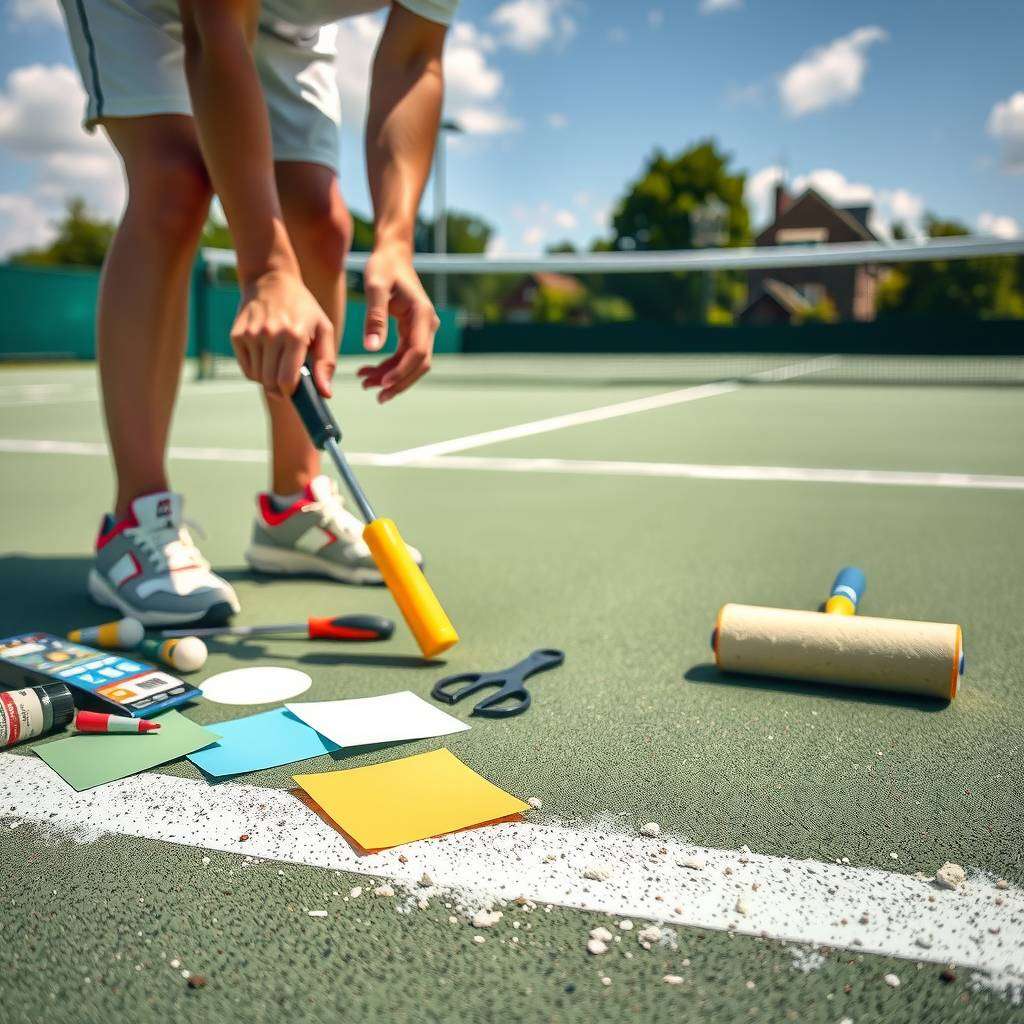
DIY Tennis Court Repairs: Tips for Maintaining Your Court’s Playability
Maintaining a tennis court is essential to ensure a safe and enjoyable playing experience. Whether you have a traditional grass court, an artificial grass tennis court, or a hard court, regular maintenance and timely repairs are crucial. This guide will provide you with expert tips on how to perform DIY tennis court repairs, ensuring that your court remains in prime condition for both competitive players and recreational enthusiasts.
Understanding Your Court Surface
Before delving into maintenance and repair techniques, it’s important to understand the type of surface on your tennis court. The maintenance requirements can vary significantly depending on whether you have a grass court, a hard surface, or an artificial grass tennis court.
Tennis court repairs are essential for maintaining a safe and enjoyable playing environment. Regular maintenance prevents deterioration and ensures optimal performance for players at any level. Cracks, surface wear, and drainage issues can lead to bigger problems if not addressed promptly. Investing in professional tennis court repairs not only extends the court’s lifespan but also enhances the overall experience. For helpful tips, check out this article on tennis court care: https://www.edwardssports.co.uk/news/post/tennis-court-cleaning-made-easy.
Tennis Grass Court Maintenance
If your court features natural grass, regular maintenance is key to its health. This includes:
- Mowing: Regular mowing keeps the grass at the proper height, ensuring optimal playability while also preventing weeds.
- Weed Control: Hand-pulling weeds or applying a selective herbicide will help keep your grass court pristine.
- Aeration: Aerating the soil will improve drainage and ensure healthy root systems. This process allows air, water, and nutrients to penetrate the soil effectively.
- Fertilisation: Applying a high-quality fertiliser during the growing season will promote healthier grass and assist in maintaining a lush playing surface.
Artificial Grass Tennis Court Maintenance
For those with an artificial grass tennis court, the maintenance routine is generally less labour-intensive but still involves regular upkeep. Here are some tips:
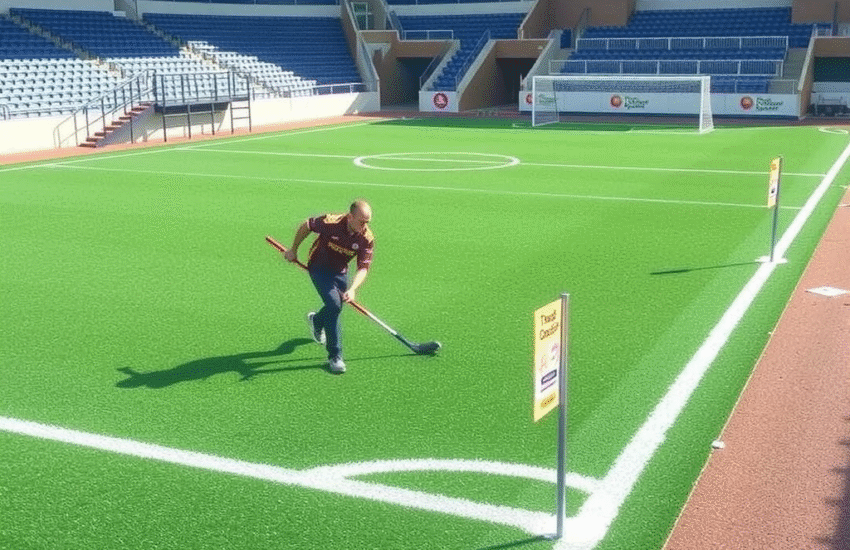
- Brushing: Use a stiff-bristle broom or a specialised turf brush to maintain the upright position of the grass fibres. This prevents matting and keeps the surface even.
- Debris Removal: Regularly remove leaves, twigs, and other debris from your court to prevent damage and maintain surface visibility.
- Weed Control: Although artificial grass is resistant to weeds, it’s important to monitor for any growth and address it promptly.
- Infilling: Artificial grass courts often require infill (sand or rubber granules) for stability. Regularly check the levels and replenish as necessary.
Conducting Tennis Court Repairs
Even with diligent maintenance, repairs may be needed from time to time. Identify issues early to prevent larger problems down the line.
Common Repairs for Grass Courts
- Reseeding: If you notice bare patches, reseeding these areas will promote regrowth. Use a high-quality grass seed that matches your existing surface.
- Topdressing: This involves applying a layer of topsoil or compost to a grass court to level the surface and improve its condition.
- Drainage Repairs: Ensure that your drainage systems are functioning properly. Any pooling water should be redirected to prevent damage to the grass.
Tennis court repairs are essential to maintain optimal playing conditions and prolong the life of your court. Whether you’re addressing surface cracks or worn-out lines, professional help ensures quality results. For reliable service, visit https://www.artificialgrassmaintenance.co.uk to discover expert solutions tailored to your needs. Keep your court in top shape for year-round enjoyment!
Repairs for Artificial Grass Courts
- Stitching: If the seams of your artificial grass begin to separate, carefully stitch them back together using a strong synthetic thread.
- Patching: For significant damage, patching may be needed. Purchase a turf patch that matches your existing surface, cut it to size, and apply it following the manufacturer’s instructions.
- Surface Repairs: If you notice areas where the infill has washed away or has become compacted, redistribute or add new infill to maintain the court’s playing characteristics.
Tennis Court Resurfacing Techniques
Beyond basic repairs, resurfacing may be necessary as your court ages or if you notice significant wear and tear on the surface.
Hard Court Resurfacing
For hard courts, here are the steps to consider:
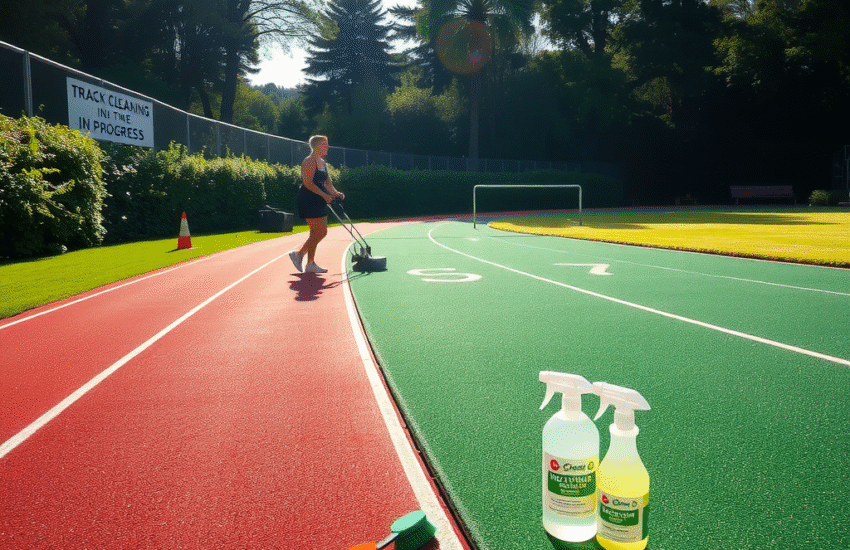
- Cleaning: Pressure wash the court surface to remove dirt, grime, and debris before resurfacing.
- Filling Cracks: Use crack filler designed for tennis courts to seal any surface damage.
- Resurfacing: After filling any cracks, apply a new layer of acrylic resurfacer to level the surface and enhance its playability.
- Painting: Finally, repaint any lines using specialised court paints to ensure precision and visibility.
Tennis court repairs are essential for maintaining optimal playing conditions and prolonging the life of your courts. If you notice cracks, wear, or surface issues, it’s time to address them. For expert care and maintenance, visit artificialgrassmaintenance.co.uk.
Artificial Grass Resurfacing
While artificial grass has a longer lifespan, it may still require resurfacing after several years:
- Remove Existing Grass: Detach the old turf carefully to avoid damaging the base layer.
- Prepare the Base: Check for any damage to the base and make necessary repairs before laying down new turf.
- Install New Turf: Lay the new artificial grass following the installation guidelines provided by the manufacturer.
Tools and Materials for DIY Repairs
Having the right tools and materials is crucial for effective tennis court maintenance and repairs:
-
For Grass Courts:
- Mower
- Aerator
- Fertiliser and weed control products
- Rake and broom
-
For Artificial Grass Courts:
- Turf brush
- Stiff-bristle broom
- Infilling material (sand or rubber)
- Turf patches and adhesive
For Grass Courts:
- Mower
- Aerator
- Fertiliser and weed control products
- Rake and broom
For Artificial Grass Courts:
- Turf brush
- Stiff-bristle broom
- Infilling material (sand or rubber)
- Turf patches and adhesive
By staying proactive about your tennis court maintenance and repairs, you ensure a safe and enjoyable experience for players at all levels. Regular inspections and timely action will keep your court in optimal condition, allowing countless hours of play for years to come.