The Ultimate Guide to Running Track Cleaning: Techniques and Tips
Maintaining a safe and high-quality environment for athletes is crucial, and regular running track cleaning is essential for performance and safety. Proper care ensures optimal conditions, reducing hazards and prolonging the surface’s lifespan. To learn more about effective maintenance strategies, explore running track cleaning.
Maintaining a pristine running track is essential for its longevity, safety, and performance. Over time, elements such as dirt, debris, and weather conditions can result in wear and tear. As an expert in athletic track maintenance, I will guide you through the essential techniques and tips to ensure your athletic track remains in peak condition. This guide will cover everything from appropriate cleaning methods to necessary repairs, providing you with an all-encompassing resource for effective running track cleaning.
FAQ: Running Track Cleaning
What is running track cleaning?
Running track cleaning refers to the process of maintaining and restoring the surface of athletic tracks, ensuring they are safe, functional, and visually appealing. This can involve methods like power washing, debris removal, resurfacing, and applying protective coatings.
Why is it important to clean a running track?
Regular cleaning of a running track helps enhance safety by removing hazards like debris or mold that could cause slips or falls. It also prolongs the lifespan of the track surface, maintains its aesthetic appeal, and ensures optimal performance for athletes.
How often should a running track be cleaned?
The frequency of cleaning can depend on various factors such as usage levels and environmental conditions. However, it’s generally recommended to clean a running track at least two to three times per year. In areas with heavy use or adverse weather conditions, more frequent maintenance may be necessary.
What methods are used for cleaning a running track?
Common methods for running track cleaning include:
- Power Washing: High-pressure washers effectively remove dirt and grime.
- Manual Sweeping: Hand tools can clear loose debris from less accessible areas.
- Chemical Treatments: Eco-friendly detergents may be used to eliminate mold or stains.
- Resurfacing: For heavily worn tracks, resurfacing might be needed as part of routine maintenance.
Can I clean my own running track?
While minor tasks such as sweeping or spot-cleaning can often be done by facility staff or volunteers using basic equipment, professional services are recommended for deep cleaning processes like power washing or resurfacing due to equipment requirements and expertise needed in handling specialised materials safely.
Are there any specific products recommended for cleaning synthetic tracks?
When it comes to synthetic tracks, it’s essential to use non-abrasive cleaners specifically formulated for rubber surfaces. Always check manufacturer guidelines before applying any products that could impact the integrity of the material.
How long does it take to clean a running track?
The time required depends on several factors including size of the facility and level of soilage. A simple cleanup might take just an hour while extensive deep-cleaning operations may require several hours up to an entire day.
Does regular maintenance affect performance on the track?
Yes! Regular maintenance ensures an even surface free from obstructions which allows athletes better footing during their runs — ultimately impacting speed and safety positively while also enhancing overall experience during exercise sessions.
If you have further questions about your specific needs regarding running track cleaning services please don’t hesitate contact us!
Athletic Track Cleaner: Choosing the Right Products
When it comes to athletic track cleaning, selecting the right cleaner is paramount. Many products on the market are specially formulated for synthetic tracks, ensuring they do not damage the surface. Always opt for biodegradable cleaners that are designed to remove dirt and stains without harming the environment. It is also important to ensure that the cleaner is compatible with your specific track surface—whether it’s polyurethane, rubber, or another material.
Additionally, a pH-neutral cleaner is often the best choice since it will not corrode or degrade the track surface over time. Before applying any product, it’s advisable to conduct a patch test on a less visible area to ensure there are no adverse reactions.
Athletic Track Cleaning Techniques: Best Practices
The frequency and techniques used for athletic track cleaning can significantly impact its longevity. Here are some best practices to follow:
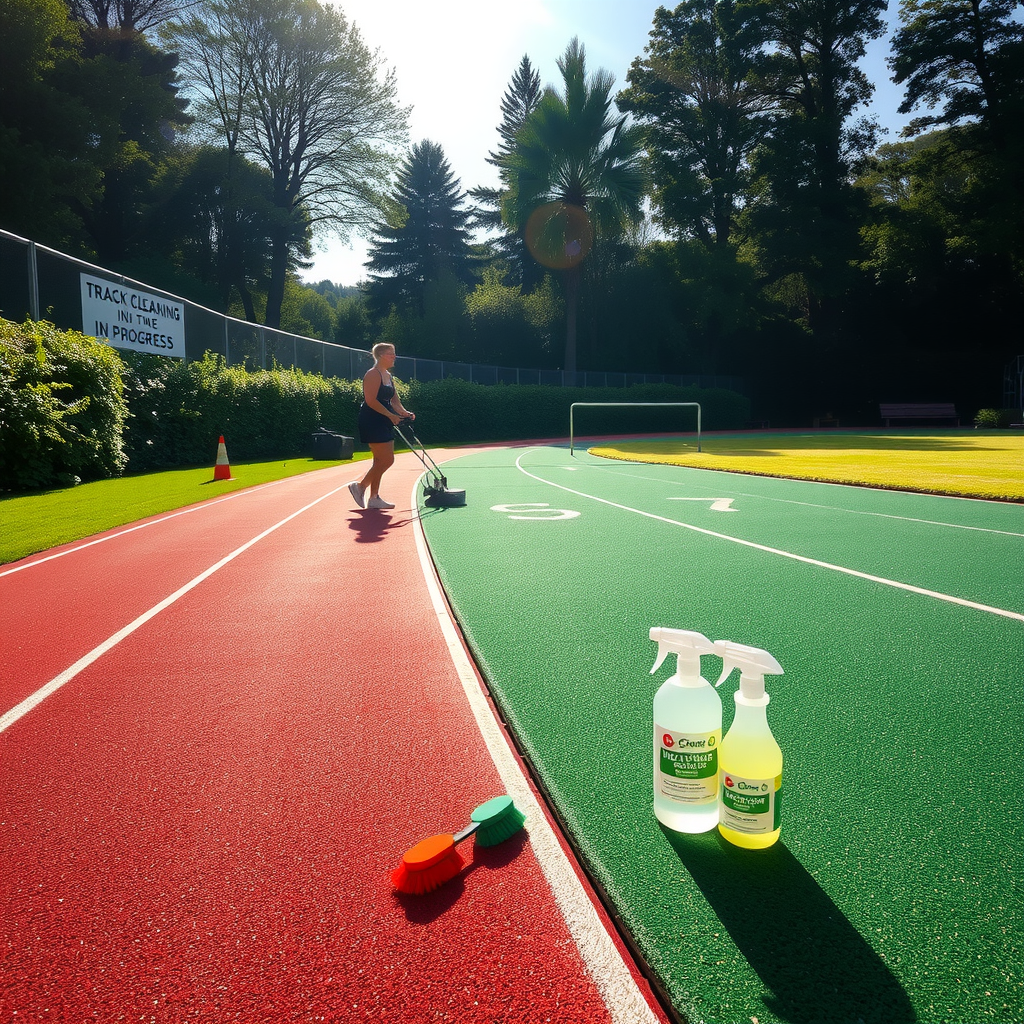
Regular Sweeping: Use a broom or a blower to remove loose debris such as leaves, twigs, and dirt regularly. This should be done at least once a week during the autumn and spring months to prevent accumulations that could lead to damage.
Spot Cleaning: For stains or spills, immediate action is crucial. Use a soft cloth or sponge with an appropriate track cleaner to blot the area gently—avoid rubbing as this may worsen the stain.
Pressure Washing: For deep cleaning, pressure washing can be an effective method. However, be cautious with the pressure setting, as excessive force can erode the track surface. A pressure setting of around 2000 PSI is usually recommended for synthetic tracks.
Scheduled Deep Cleaning: Plan for a thorough cleaning at least twice a year. This includes washing the surface with appropriate cleaners and perhaps employing professional services for any hard-to-reach areas or extensive cleaning.
Running Track Cleaning Tools: Essential Equipment
Having the right tools can make a significant difference in the efficiency and effectiveness of your cleaning routine. Here are some tools you should consider having on hand:
Soft Brooms and Brushes: For regular sweeping and spot cleaning, use soft-bristle brushes that will not scratch the track surface.
Pressure Washer: A pressure washer equipped with the correct nozzle and pressure settings can facilitate the deep cleaning process, helping to remove stubborn dirt and grime.
Squeegees: After cleaning, a squeegee can help remove excess water to expedite drying time and prevent potential slipping hazards.
Protective Gear: Always wear appropriate protective gear such as gloves and eyewear when using chemicals or pressure washers to ensure safety.
Athletic Track Maintenance: Routine Checks
In addition to regular cleaning, performing routine maintenance checks will help detect early signs of wear and prevent more extensive repairs later. Here’s what to look for during maintenance checks:
-
Surface Cracks: Inspect for any cracks that could develop into larger issues. These should be addressed immediately with suitable repair materials.
-
Discolouration: Watch for discolouration or fading, which may indicate that cleaning products or weather conditions are affecting the surface.
-
Drainage Issues: Ensure that drainage systems are functioning correctly, as standing water can lead to mould growth and surface deterioration.
Surface Cracks: Inspect for any cracks that could develop into larger issues. These should be addressed immediately with suitable repair materials.
Discolouration: Watch for discolouration or fading, which may indicate that cleaning products or weather conditions are affecting the surface.
Drainage Issues: Ensure that drainage systems are functioning correctly, as standing water can lead to mould growth and surface deterioration.
Running Track Repair: Timely Interventions
Even with regular maintenance, running tracks may eventually require repair due to wear and tear. Here are some key repairs to consider:
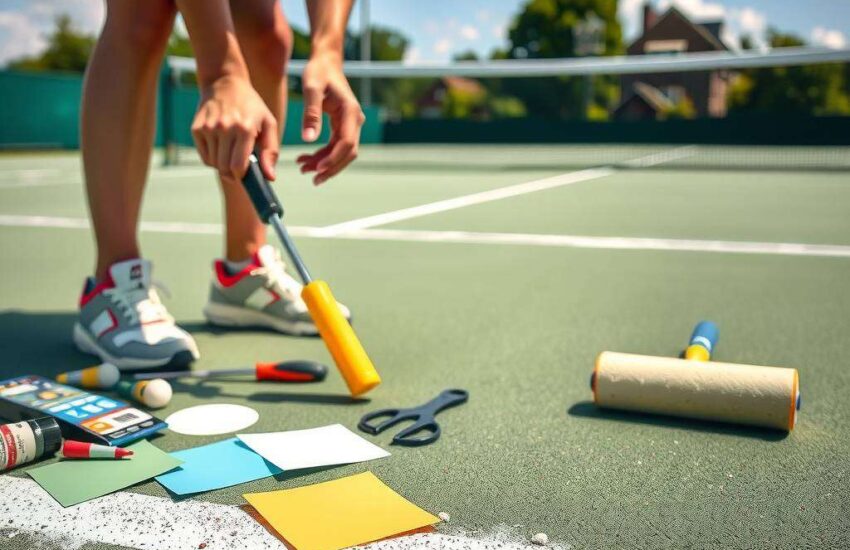
Crack Filling: Use a specialised filler for track surfaces to seal cracks and prevent moisture infiltration. This should be done as soon as you notice any cracks to avoid further damage.
Resurfacing: If the track surface is significantly worn or damaged, resurfacing may be necessary. This involves applying a new layer of synthetic material over the existing track to restore its functionality and appearance.
Repairing Markings: Faded or worn lane markings can be repainted, but ensure to use specialised paints that are designed for athletic surfaces to avoid degrading the material.
By following these comprehensive techniques and tips for running track cleaning and maintenance, you can ensure that your athletic track remains a safe and effective space for runners. Regular cleaning not only prolongs the life of the surface but also enhances the overall user experience, promoting health and fitness within your community. Stay proactive, and your investment in the facility will yield lasting benefits!