
A Guide to Hockey Pitch Repairs: Maintaining Your Playing Surface
Maintaining a high-quality hockey pitch is essential for ensuring a safe and enjoyable playing experience for athletes. Regular maintenance, cleaning, and repairs are vital to prolong the lifespan of the pitch and ensure optimal performance. In this guide, we will explore the key aspects of hockey pitch maintenance, including cleaning, repairs, rejuvenation, and resurfacing.
Hockey Pitch Cleaning
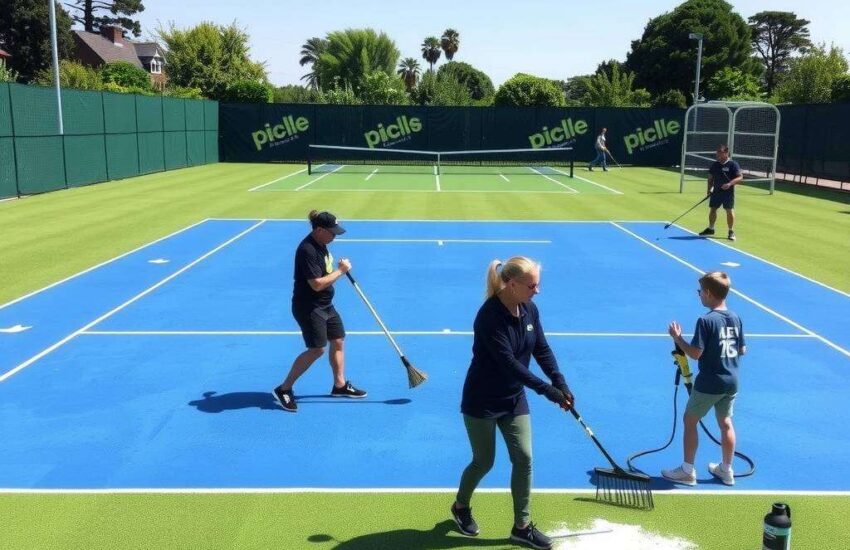
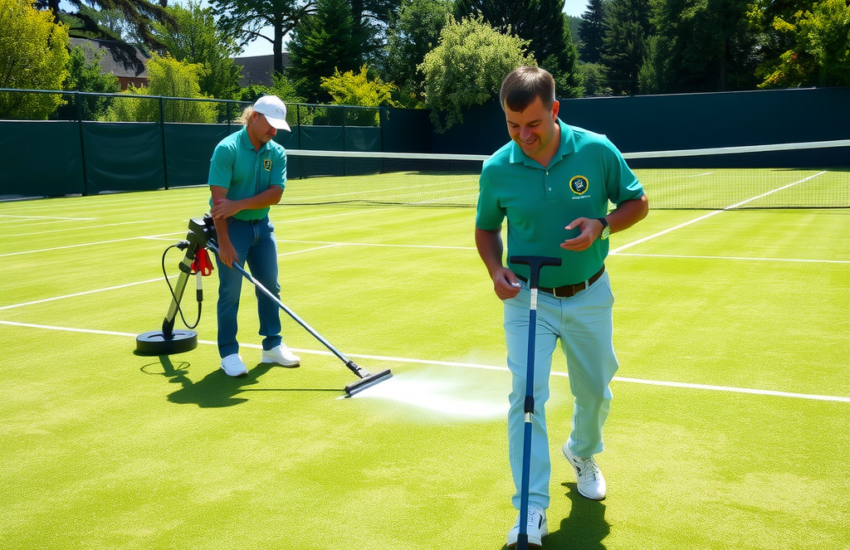
Regular cleaning is crucial for keeping your hockey pitch in top condition. Dirt, debris, and algae can build up on the surface, affecting playability and increasing the risk of injury. Cleaning should be done on a regular basis using appropriate equipment and techniques.
It is recommended to use a specialised hockey pitch cleaner to remove dirt and debris effectively. This can be applied using a pressure washer or scrubbing brush. Avoid using harsh chemicals that could damage the pitch surface. Regular sweeping with a stiff brush can also help to keep the pitch clean and free from debris.
Hockey Pitch Maintenance
In addition to regular cleaning, ongoing maintenance is essential for preserving the quality of your hockey pitch. This includes inspecting the surface for signs of wear and tear, repairing any damage promptly, and implementing a regular maintenance schedule.
Regular maintenance tasks may include filling in worn areas, reseeding patches of damaged grass, and adjusting the sand infill to ensure optimal playing conditions. It is important to follow the manufacturer’s guidelines for maintenance to prevent voiding any warranties.
Hockey Pitch Repairs
Over time, wear and tear can take its toll on a hockey pitch, leading to the need for repairs. Common issues that may require repair include tears in the artificial grass, damaged infill, and uneven surfaces. It is important to address these issues promptly to prevent further damage and maintain the pitch’s performance.
Repairs should be carried out by trained professionals using appropriate materials and techniques. This may involve replacing damaged sections of the pitch, resealing seams, or adjusting the infill levels. Regular inspections can help to identify potential issues before they become serious problems.
Hockey Pitch Rejuvenation
If your hockey pitch is starting to show signs of wear and deterioration, rejuvenation may be necessary to restore its performance and appearance. This process typically involves deep cleaning, reseeding, and adding a new infill to rejuvenate the pitch surface.
Hockey pitch rejuvenation can help to extend the lifespan of the pitch and improve playability for athletes. It is important to consult with a professional to determine the best course of action for rejuvenating your specific pitch.
Hockey Pitch Installation
Proper installation is key to the long-term performance and durability of a hockey pitch. It is essential to work with a reputable installer who has experience in installing artificial grass for hockey. This will help to ensure that the pitch is installed correctly and that it meets all relevant safety standards.
The cost of installing a hockey pitch can vary depending on factors such as size, location, and pitch specifications. It is important to obtain quotes from multiple suppliers and contractors to compare costs and ensure you are getting the best value for your investment.
With hockey season in full swing, it’s crucial to ensure your hockey pitch is in top condition. From maintenance to repairs, our team at Artificial Grass Maintenance is here to help keep your pitch in the best shape possible. Visit us for expert hockey pitch repairs today.
Hockey Pitch Resurfacing
Resurfacing may be necessary if your hockey pitch has reached the end of its lifespan or is no longer suitable for play. This process involves replacing the artificial grass, adjusting the infill levels, and ensuring that the pitch meets all safety standards.
Resurfacing can help to improve the overall performance and safety of the pitch, providing athletes with a high-quality playing surface. It is important to work with a professional resurfacing company to ensure that the job is done correctly and that the pitch meets all necessary requirements.
In conclusion, maintaining a hockey pitch requires regular cleaning, maintenance, and repairs to ensure optimal performance and safety. By following the guidelines outlined in this guide, you can help to prolong the lifespan of your pitch and provide athletes with a high-quality playing surface for years to come.
Hockey FAQ
What equipment do I need to play hockey?
To play hockey, you will need skates, a stick, shin guards, elbow pads, gloves, a helmet with a cage or visor, and a mouthguard. Depending on the level of play (recreational vs competitive), additional equipment such as shoulder pads and padded shorts may be recommended.
How many players are on a hockey team?
In traditional ice hockey games, each team typically has six players on the ice at once: one goaltender and five skaters (usually two defensemen and three forwards). However, this can vary depending on the league or level of play.
How long is a hockey game?
A standard ice hockey game consists of three periods each lasting 20 minutes for a total game time of 60 minutes. There are also stoppages in play which can extend the total duration of the game.
What are the different positions in hockey?
The main positions in ice hockey are:
- Goaltender: The player responsible for protecting their team’s goal.
- Defensemen: Players who defend against opposing forwards while also contributing to offensive plays.
- Forwards: Players whose primary role is to score goals and assist in offensive plays. They can be further categorised into centers, wingers (left wing and right wing).
How does scoring work in hockey?
In ice hockey games, teams earn points by shooting the puck into the opposing team’s net. A goal is typically worth one point. In some leagues or tournaments there may be overtime/shootout rules that dictate how points are awarded if no winner is determined after regulation time.
Can women participate in professional hockey leagues?
Yes! There are professional women’s leagues like the National Women’s Hockey League (NWHL) and Premier Hockey Federation (PHF) where female athletes compete at high levels of competition. Additionally, women have also participated alongside men in various national or international competitions like the Olympics.